Rione Sanità Naples: walking tours at a glance
The Rione Sanità sits in the valley north of the old city walls, a living neighbourhood with baroque palazzi, two catacomb complexes, an ossuary and a Hellenistic tomb under its streets. Most visitors see it on a guided walk, and the walks differ in one important way: some include an entry ticket to an underground site, others only walk past it.
If you want to go inside the Ipogeo dei Cristallini, pick a walk whose included items list the Ipogeo ticket. If you want the Fontanelle Cemetery, pick one that names it. The Miglio Sacro runs on weekends and holidays.
Our picks: Rione Sanità tours
For the Ipogeo, take the walk that includes the entry. The Fontanelle tour is the pick if the cemetery matters more to you, and the Holy Mile suits you if you want the San Gennaro catacombs and the district in one go.
Hand-picked tours, booked through GetYourGuide. Prices are indicative starting prices in euros (as of October 2026). Tap a tour for live availability and the current price in your currency.
Rione Sanità walk with entry to the Ipogeo
- Ticket to the Ipogeo dei Cristallini
- Two hours with a local guide
A walk through the neighbourhood with the Ipogeo entry already included, handy if you want both in one morning.
Check availability →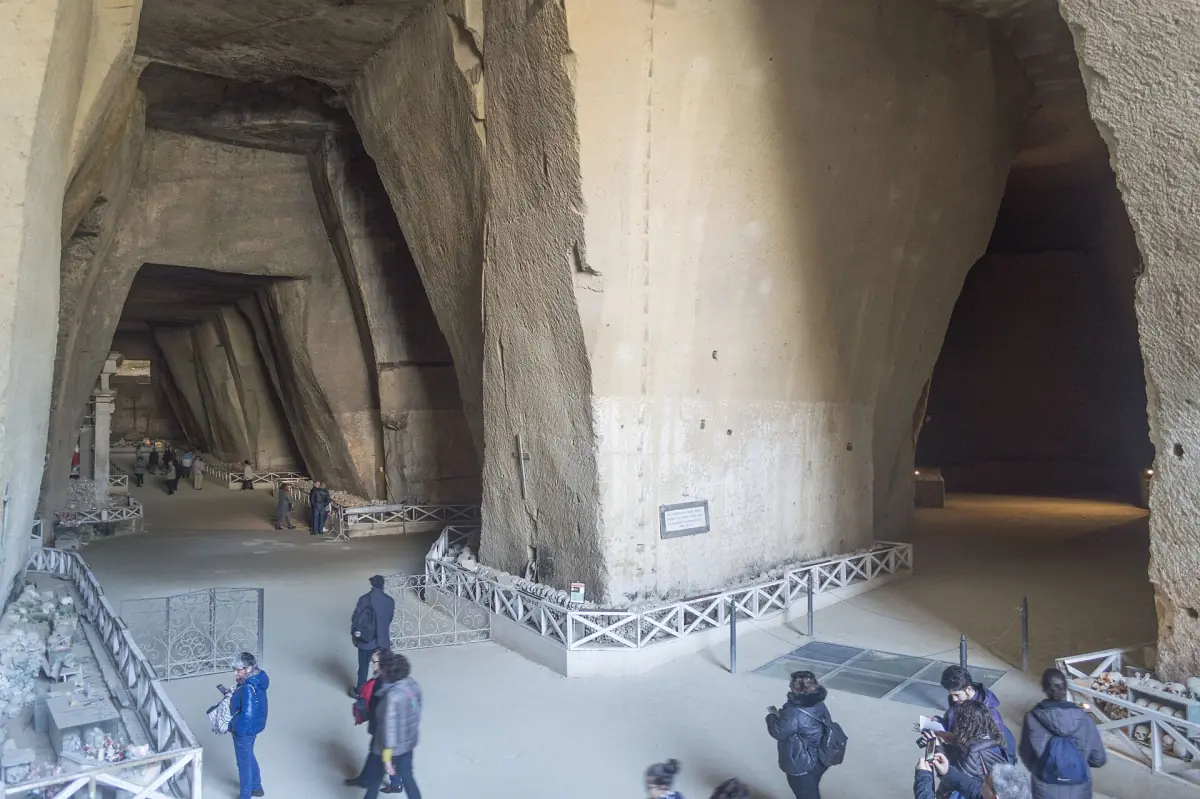
Rione Sanità and Fontanelle Cemetery on foot
- Fontanelle Cemetery visit
- Palazzo dello Spagnuolo and Sanfelice
- Sweet break
A two-hour walk through the district that ends at the cemetery. It does not include entry to the Ipogeo dei Cristallini.
Check availability →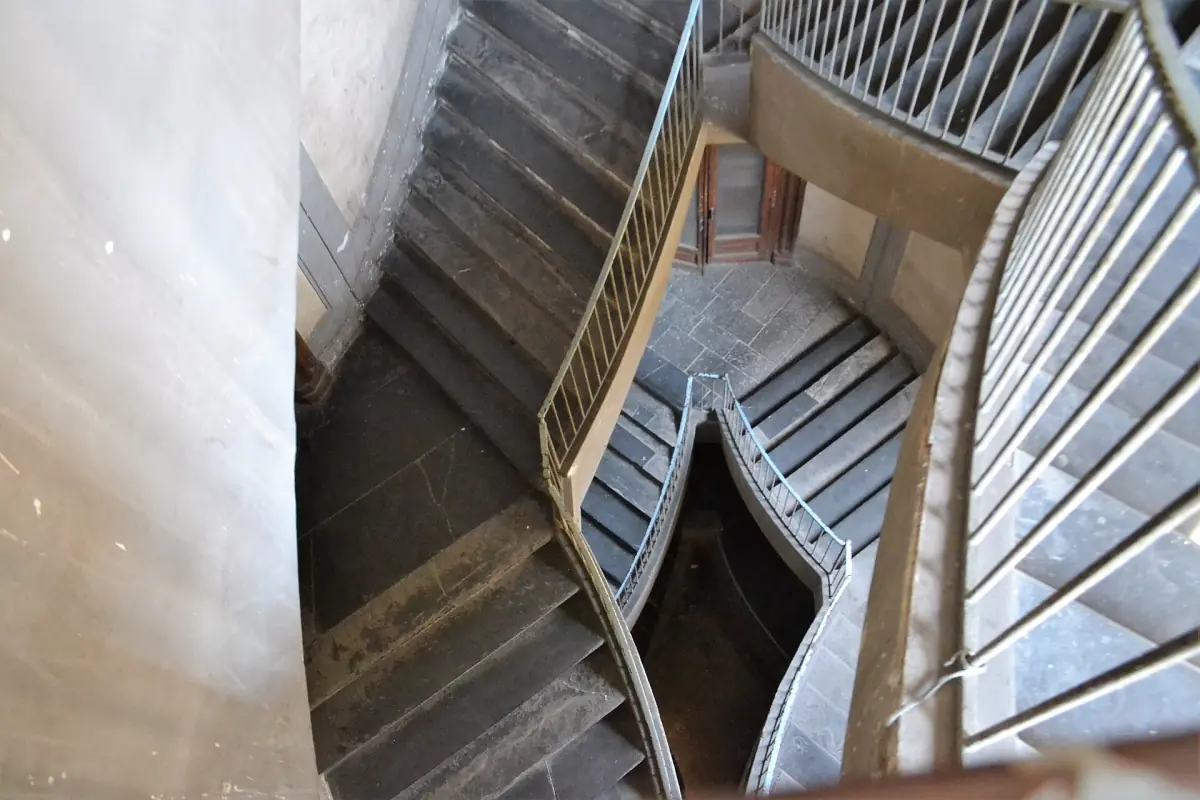
The Holy Mile: three hours through catacombs and churches
- Three hours with a guide
- Entry to stops 1 to 7
It starts at the San Gennaro catacombs and crosses the Rione Sanità, with entry to the seven stops of the programme. The Ipogeo dei Cristallini needs a separate ticket.
Check availability →Rione Sanità walking tours
Guided walks through the district, some with entry to the Ipogeo dei Cristallini or the Fontanelle Cemetery.
Which walk fits you
Four kinds of walk, and what each one covers.
| Walk | Underground entry included | Best for |
|---|---|---|
| Rione Sanità underground walk | Ipogeo dei Cristallini | First visit, tombs plus the streets above |
| Miglio Sacro | Stops include churches, a catacomb and the Porta San Gennaro; the Ipogeo is not one of them | Churches, catacomb and palazzi in one morning |
| Fontanelle and Sanità walk | Fontanelle Cemetery, on the walks that name it | Ossuary and palazzi |
| Street art, food and traditions | – | The living neighbourhood |
For most first-time visitors the underground walk with Ipogeo entry is the best choice: you see a Hellenistic tomb and the district in one outing. If you have a free Saturday or Sunday morning, the Miglio Sacro covers the most ground.
Palazzo dello Spagnuolo and Palazzo Sanfelice
The staircases that people come for.
The Palazzo dello Spagnuolo is attributed to Ferdinando Sanfelice and dated to 1738. Its monumental staircase, the "ad ali di falco" or hawk's wing design, is its main draw. Palazzo Sanfelice stands nearby and is known for the same open-stair style.
On the Miglio Sacro both palazzi are seen from the outside. Do not plan a visit around going inside: the buildings are private, and "open staircase" describes a design, not an opening time.
The district's main church, the Basilica Santa Maria della Sanità, was built between 1602 and 1610 by Fra Nuvolo and has a yellow and green tiled dome. Under its raised presbyterium is the way down to the catacombs of San Gaudioso, described on our San Gaudioso page.
Underground sites in and around the Sanità
Each has its own entrance, ticket and operator.
Ipogeo dei Cristallini
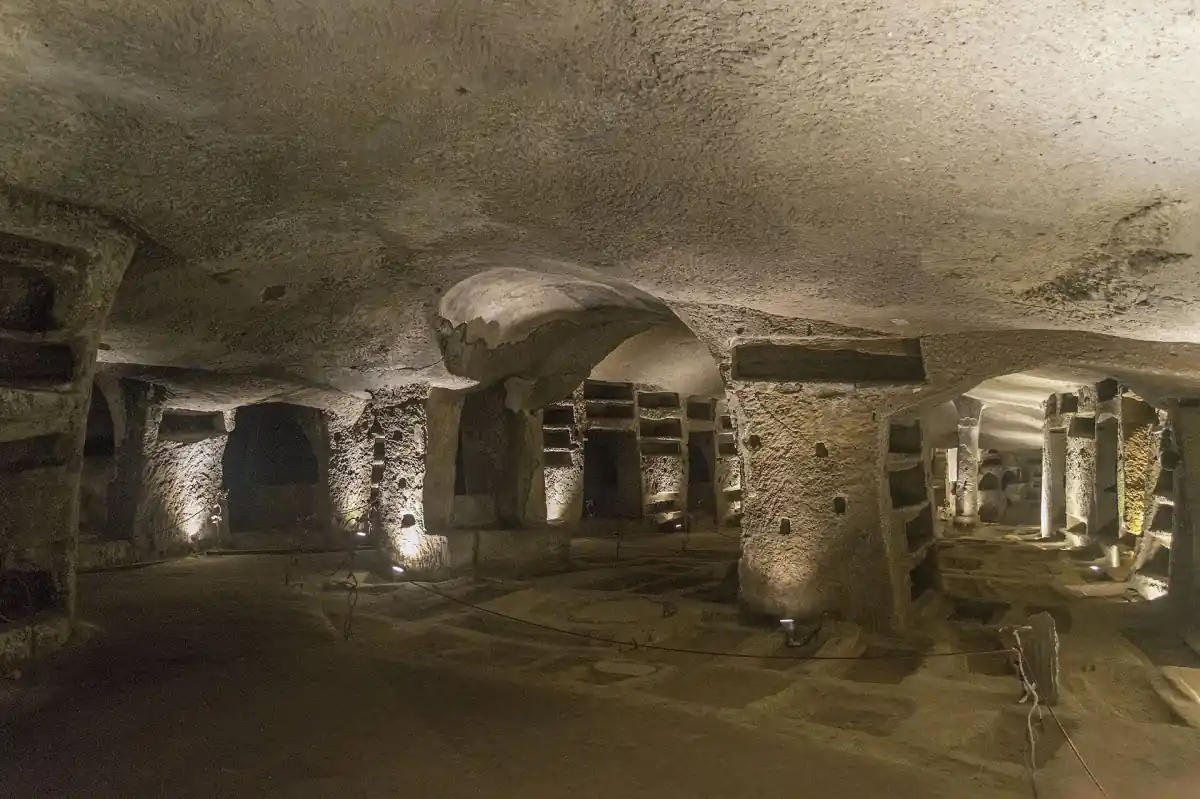
Hellenistic burial chambers with painted walls, reached by a small stair inside a historic palazzo. See the Ipogeo tickets page for hours and fares, and the history page for the background.
Cimitero delle Fontanelle
A former tuff quarry on the Materdei hill, now an ossuary. Visits are by reservation. Details on the Fontanelle page.
Catacombs of San Gennaro
Entered from Via Capodimonte 13, next to the Basilica del Buon Consiglio, with hourly guided tours. See the San Gennaro page.
A ticket for one of these does not open another. The one exception is the San Gennaro ticket, valid for 12 months for San Gaudioso as well.
Totò, the lift and getting around
Small things that make the district easier.
The actor Totò was born in the Sanità, in a house on Via Santa Maria Antesaecula 109. The house is private, so you can see the street but not go in.
The Ponte della Sanità connects Via Santa Teresa degli Scalzi with the district near the church of San Vincenzo. A free lift run by the city transport company ANM serves it. It runs from 7:00 a.m. to 9:30 p.m. on weekdays and from 7:30 a.m. to 2:00 p.m. on holidays (2025 timetable), so check the current hours before you rely on it.
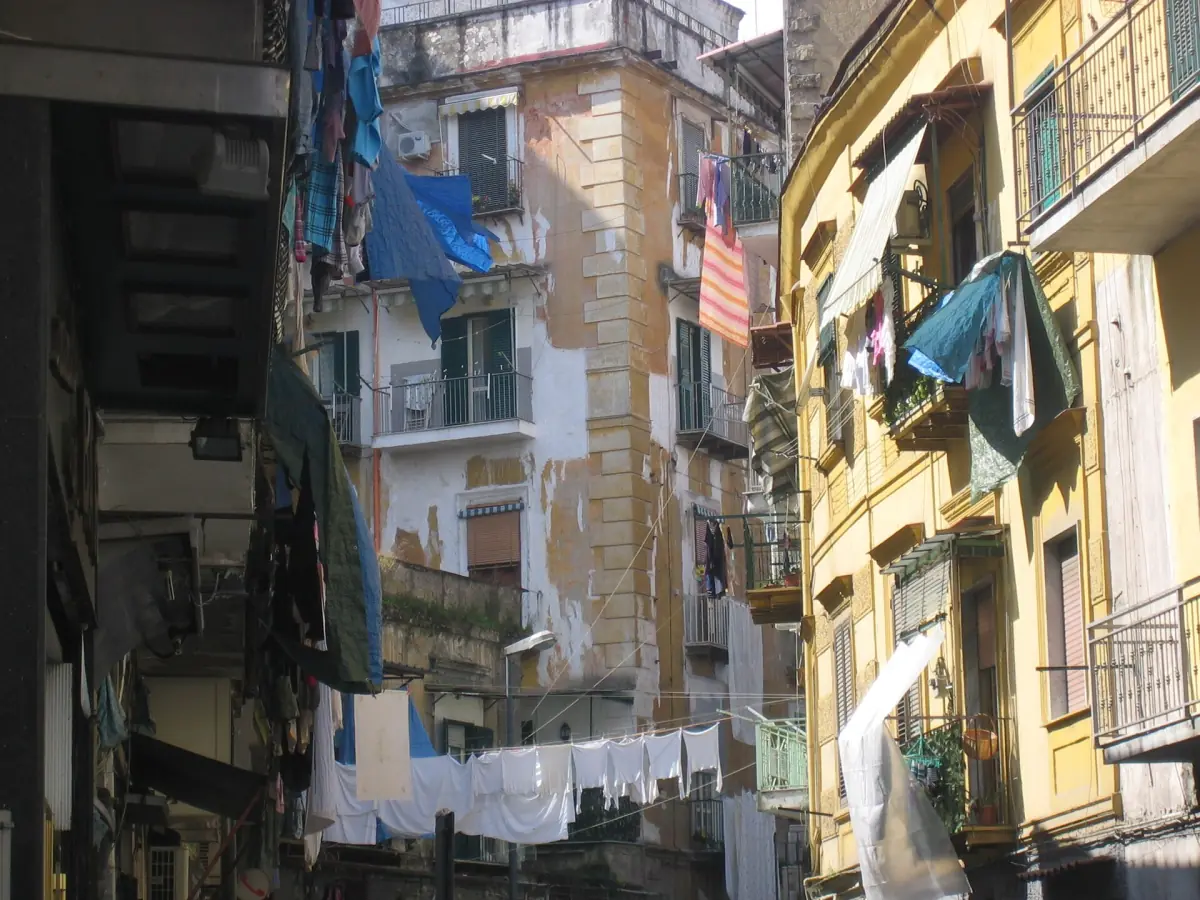
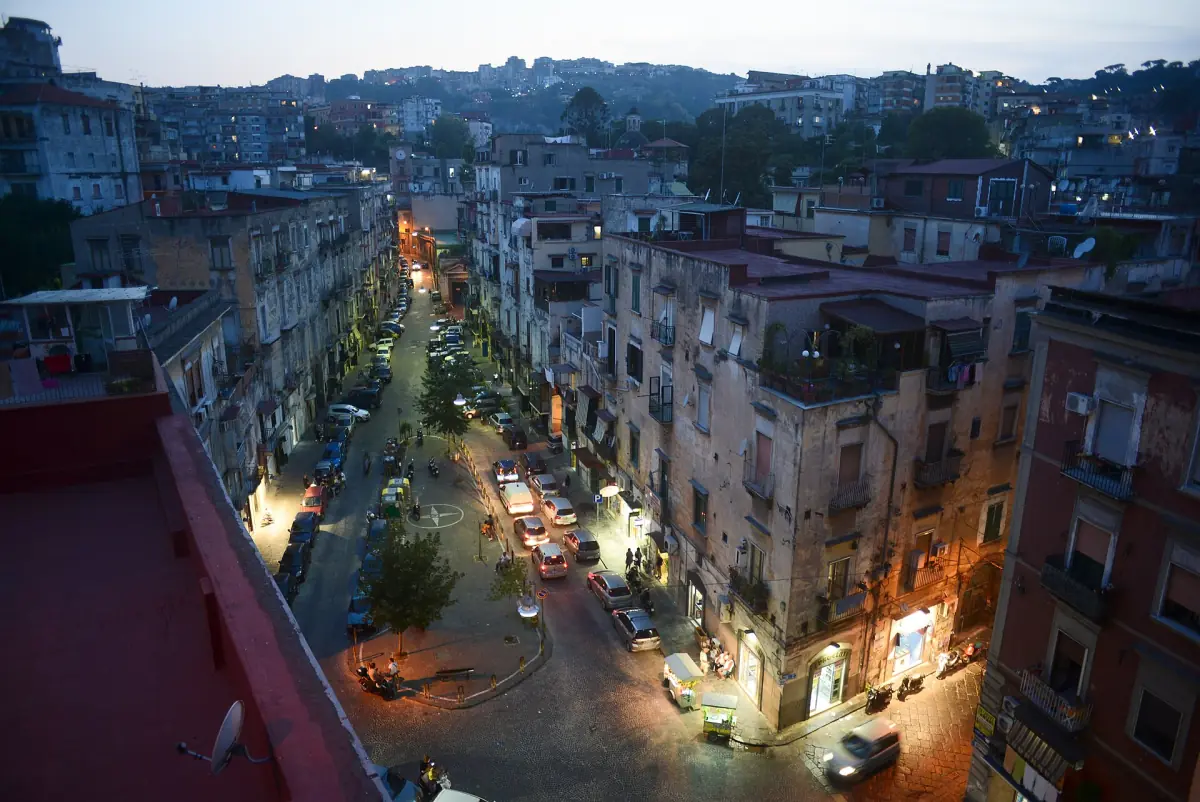
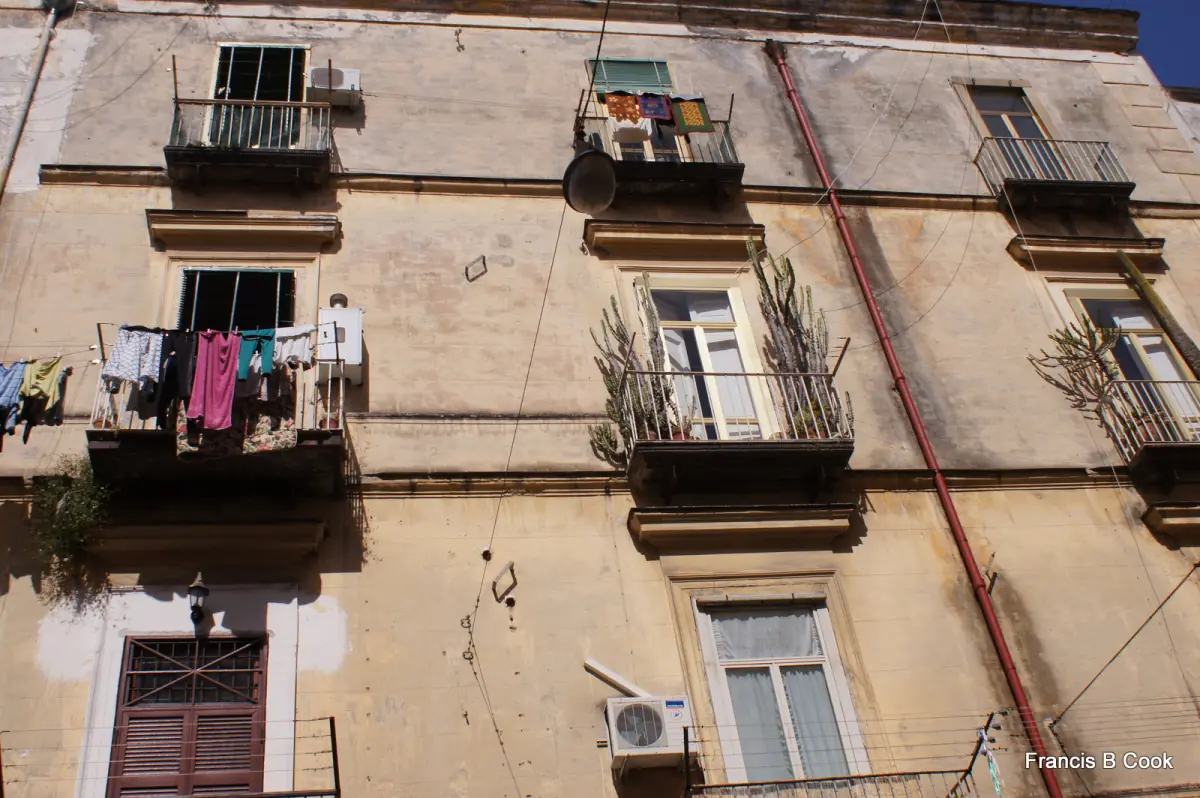
On the street, keep your belongings close, as in any busy part of an Italian city. The district is lived in, with shops, laundry on the lines and people going about their day. Walk through it with the same courtesy you would in any residential area.
Plan the rest of your visit
The sites that sit around the Sanità.
Rione Sanità: frequently asked questions
Is the Rione Sanità worth visiting?
Yes, if you like layered history. In the district you find a Hellenistic tomb, two catacomb complexes, an ossuary, a baroque basilica and palazzi with famous staircases, in a neighbourhood where people live and work.
Why is it called Sanità?
The name is traditionally linked to the once healthy air of the valley and to healing traditions around early Christian burial places. Treat this as the traditional explanation, not a medical claim.
Does a Rione Sanità walk include the Ipogeo dei Cristallini?
Only some do. Check that the included items name the Ipogeo entry ticket. The Miglio Sacro does not include the Ipogeo.
When does the Miglio Sacro start?
It runs on Saturday, Sunday and holidays from Via Capodimonte 13, usually at 9:30 a.m. Use the start time in your booking confirmation, which may be 9:00.
Can I enter the palazzi?
Palazzo Sanfelice and Palazzo dello Spagnuolo are seen from outside on the Miglio Sacro. Do not count on going inside.
Is the neighbourhood safe for visitors?
Treat it like any busy part of an Italian city: keep valuables in view and avoid carrying everything in one place. A guided walk is an easy way to see it for the first time.